Español
Book Appointment

What is EVO ICL?

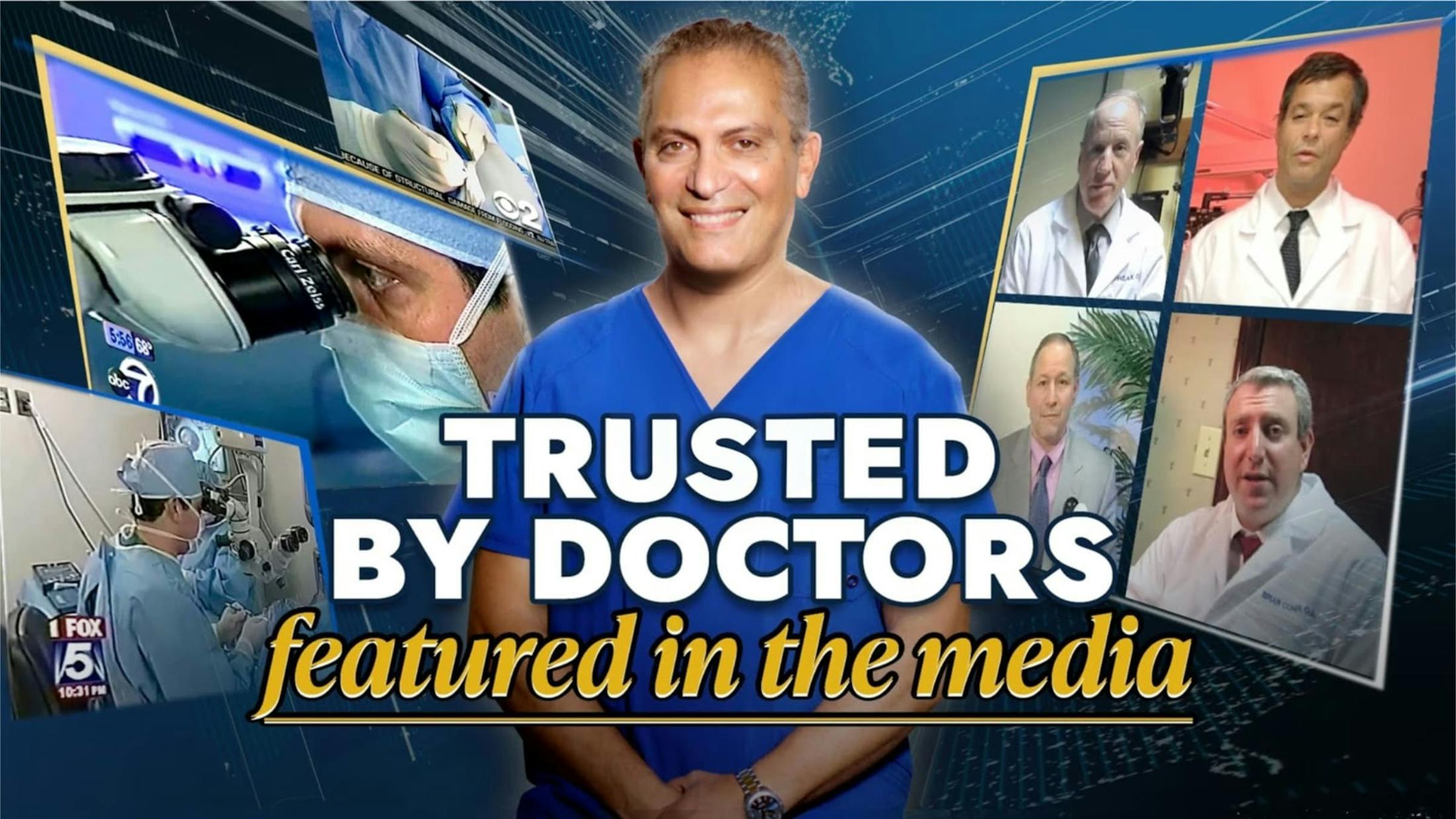
Implantable Collamer Lens (ICL) surgery is a quick procedure that has freed millions of people from dependence on glasses or contact lenses. Whereas LASIK is a type of surgery that is performed on the cornea and modifies the cornea’s contour, ICL does not modify the cornea at all. Instead, a soft Collamer® lens is inserted inside the eye to permanently correct the vision. Dr. Cohen performed the first ICL surgery in the New York and New Jersey areas in 2008. This has been reported by media outlets such as ABC-7 and FOX News. He has been doing ICL surgery longer than any other surgeon in the Tri-state area. ICL has proven to be a safe, effective, and long-lasting alternative to laser eye surgery such as LASIK to correct vision problems such as nearsightedness, farsightedness, and astigmatism.

The very first case of an ICL in New York was performed by Dr. Ilan Cohen

Dr. Cohen is a fellowship-trained cornea specialist and has devoted his career to fine-tuning and perfecting surgical techniques that can change your vision and your life. This is perhaps the reason that more than 1,000 physicians have chosen him for the correction of their own vision.

What do I need to Know About ICL in Comparison to LASIK and PRK?

ICL is an intra-ocular procedure. The surgeon places the lens within the eye through a tiny incision.

LASIK, on the other hand, is an extra-ocular procedure, performed on the surface of the cornea without entering the eye.

There is a slightly higher risk of cornea-based procedures like LASIK causing damage to the cornea, especially when the prescription is higher.

ICL is safer for patients with higher prescriptions, thin or irregular corneas, and even for patients with severe dry eyes who are not suitable for LASIK.

LASIK is more suitable for patients with lower prescriptions. In addition, ICL is completely reversible as opposed to cornea-based procedures which remove tissue that cannot be replaced.

When it comes to vision correction, deciding what’s best for your eyes can be difficult. Based on over 20 years of experience, Dr. Cohen will advise you with your best interest in mind. In addition, you can learn about the differences between procedures and see if ICL is the right fit for you.

Banner media

Which Option Is Right for You?

Dr. Cohen will review your eye measurements in detail during your consultation to help you determine the safest and most effective path forward.

The ICL

The ICL (Implantable Collamer Lens) is a lens implant that improves vision without altering corneal tissue, offering a great solution for those with thin corneas or severe nearsightedness.

LASIK

LASIK is a two-step laser vision correction surgery where a flap is made on the surface of the eye called the cornea, and the underlying layers are reshaped with an excimer laser to correct vision.

PRK

PRK is a laser vision procedure similar to LASIK but no corneal flap is created. The top layer of the cornea called epithelium is removed, and the underlying tissue is reshaped to correct vision.

Background media
woman on a run

What are the Benefits of ICL?

ICL surgery offers a very precise vision correction because the lens that is placed inside the eye can be customized exactly to the patient’s prescription.

The lens is made of Collamer®, a biocompatible material well tolerated by the eye. This reduces the risk of complications such as inflammation and infection. In addition, patients who undergo ICL gain a unique benefit: the Collamer® lens provides UV protection.

And because the lens is inserted into the eye, it does not need to be removed or cleaned. However, if the patient, for any reason, is not happy with the results of the surgery (a very rare event), ICL is fully reversible.

What Are The Risks of ICL?

Dr. Cohen will meet you personally prior to the procedure, he will perform a series of standard tests to measure your eyes’ unique characteristics and will explain the procedure and the risks as they pertain to your individual eyes.

He will also explore alternate options and will choose the option that is the safest for you, including not doing surgery at all.

Although rare, like any other surgery, there are some risks with ICL as well. The risks may include infection, cataracts, and glaucoma. With his extensive experience, Dr. Cohen is able to reduce any of these risk factors to a minimum.

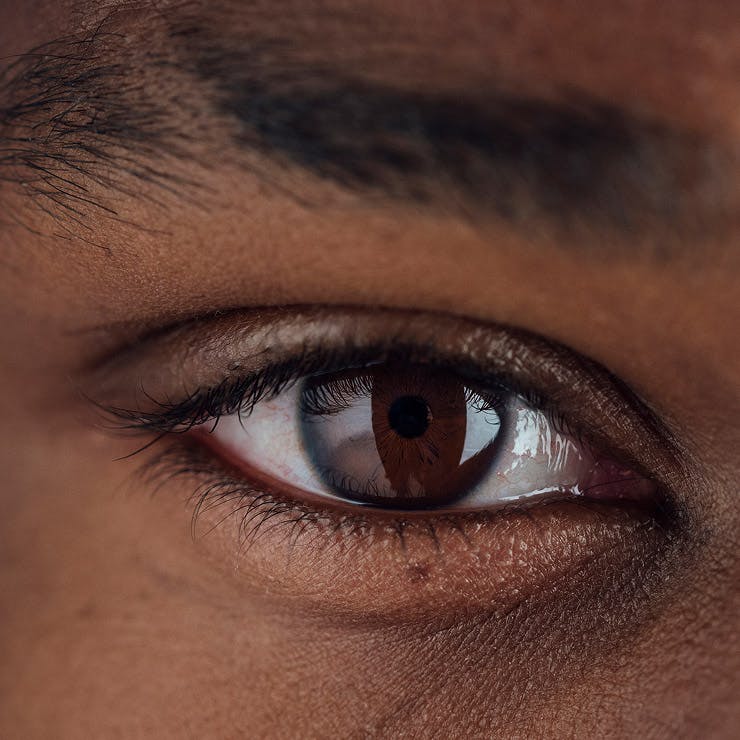
close up on brown eye column media
Doctor media

Why Choose Us?

Dr. Cohen performed the first ICL surgery in the New York and New Jersey areas in 2008. At the time, Fox 5 News and ABC 7 reported on this important eye surgery milestone. Needless to say, Dr. Cohen has more years of experience with ICL surgery than any other surgeon in the Tri-state area.

Enhance Your Vision

Book Appointment
logomark

What Happens During ICL Surgery?

ICL is a procedure that typically takes between 15 and 30 minutes and is performed in Dr. Cohen’s surgical center, allowing you to return home shortly after the procedure. Dr. Cohen will administer eye drops that will dilate your pupils as well as numb your eyes so that you won’t be experiencing any pain.

Then a small incision is made in the cornea to insert the Collamer® lens. Collamer® is a collagen co-polymer that is biocompatible, stable, and flexible, enabling minimally invasive insertion and encouraging harmony with your natural eye.

What Can I Expect from Cohen Eye Institute?

Optimal results and our patients’ well-being guide our decision-making process. That’s why we take every patient through an extensive screening exam. The question we want to answer during the screening exam is “what is the optimal procedure that will provide you with the sharpest vision for the long term in the safest manner?” Once we have completed the screening exam, we recommend the best solution to you and only if you meet the stringent criteria that we have for ICL surgery, we will move forward and schedule a surgery appointment with you. If you would like to learn more about ICL and whether it is the right procedure for you, then contact the Cohen Eye Institute. With more than 20 years of experience, Dr. Cohen has helped thousands of patients from all over the world improve their vision.

Schedule Your Consultation Today!

What Can I Expect from an ICL Implant

With ICL you are choosing a minimally invasive and short vision correction surgery that allows you to recover quickly. You can expect immediate vision improvement that doesn’t require the removal of corneal tissue or your natural lens. Instead, a Collamer® lens that works with the natural parts of your eye is added to your eye so that you only add to what your body already has.

Your eye stays completely intact – and the procedure is fully reversible in the very unlikely event that you should want to remove the lens. To insert the lens, the lens is folded and then adjusted to ensure proper positioning in the eye. This procedure does not require any sutures and heals naturally.

The lenses are easy to implant in the eye because of their soft and flexible structure. You won’t even notice the lens – only that your vision has greatly improved immediately after the insertion. Following the procedure and to ensure the best and safest outcomes, you will need to administer eye drops that support the healing process.

Banner media

Frequently Asked Questions EVO ICL

Is EVO ICL FDA Approved and Safe?

Yes. The EVO ICL received FDA approval in 2022, building on the ICL platform approved in the United States in 2005, and millions of ICLs have been implanted worldwide with a strong long-term safety record. Dr. Ilan Cohen performed the first ICL in New York and New Jersey in 2008 and has implanted every generation of the lens since — experience that matters most in the sizing and placement decisions where ICL safety is actually determined.

Who Is a Candidate for EVO ICL?

Broadly: adults roughly 21 to 45 with a stable prescription, moderate to very high nearsightedness — including prescriptions far beyond what laser surgery can safely treat — with or without astigmatism, and sufficient internal space in the eye to hold the lens safely. Thin corneas and dry eye, which disqualify many patients from LASIK, are not obstacles for ICL. The internal measurements taken at your Cohen Eye Institute evaluation give a definitive answer.

Does ICL Surgery Remove My Natural Lens?

No — this is the most common misconception about the procedure. The ICL is an additional lens, placed behind the iris and in front of your natural lens, which stays exactly where it is and keeps doing its job, including focusing up close in younger patients. Think of it as a permanent, maintenance-free contact lens inside the eye rather than a replacement of anything.

How Long Does the ICL Last — Is It Permanent?

The lens is designed to last a lifetime and requires no maintenance, no replacement schedule, and no ongoing care beyond routine eye exams. It is also the only major vision correction option that is fully reversible: if your needs ever change — for example, when cataract surgery becomes appropriate decades later — the lens is simply removed, leaving the eye as it was.

Can ICL Cause Cataracts?

It is rare with the current lens. Earlier ICL generations carried a small risk of accelerating cataract formation if fluid circulation around the natural lens was restricted. The EVO design includes a central port that maintains that natural circulation, which addressed the main mechanism behind the risk. Careful sizing — confirmed through the detailed internal measurements taken before surgery — protects against the remainder.

How Much Does EVO ICL Cost?

ICL is typically priced above laser vision correction — in the New York metro area, generally several thousand dollars per eye — because each lens is custom-manufactured to your exact prescription and internal eye measurements, and the procedure takes place inside the eye rather than on its surface. At Cohen Eye Institute the fee quoted at consultation is all-inclusive, with financing options available, and reflects the full course of care from sizing through follow-up.

Will I Feel the Lens Inside My Eye?

No. The lens sits in a fluid-filled space behind the iris, touching no nerve-bearing surface, so there is nothing to feel — no awareness of it when you blink, rub your eyes, or sleep. Most patients say they forget it is there within days.

Will I See Halos or Rings Around Lights at Night With EVO ICL?

Some patients notice faint rings around point lights early on, related to the lens's central port. For the large majority they fade from awareness within weeks to a few months as the brain adapts, and most patients ultimately report better night vision than they ever had in glasses or contacts at a high prescription. Dr. Cohen reviews this candidly at consultation so nothing about the first weeks comes as a surprise.

Is ICL a Good Option if I Have Dry Eyes?

Yes — often the best option. Because the ICL is placed inside the eye, the corneal surface and the nerves that drive tear production are left completely untouched, so the procedure neither causes nor worsens dry eye. Patients told elsewhere that dry eye rules out vision correction are frequently ideal ICL candidates at Cohen Eye Institute.

Why Is ICL Often the Better Choice for Very High Prescriptions?

Laser procedures correct vision by removing corneal tissue, and the higher the prescription, the more tissue must go — until safety limits are reached. The ICL removes nothing: it adds a custom lens that does the focusing instead, so a -12 or -16 prescription is corrected as cleanly as a -4. That is why patients told their prescription is "too high for LASIK" are often perfect ICL candidates.

How Do You Make Sure the ICL Is the Right Size for My Eye?

Through direct measurement of the internal structures where the lens will sit — not estimates based on external measurements alone. Sizing is the single most important decision in ICL surgery, and it is where experience shows: Dr. Cohen has been sizing and placing these lenses longer than any surgeon in the region, and the pre-operative workup at Cohen Eye Institute is built around getting that one decision exactly right.

What Could Go Wrong if the Lens Is Sized Incorrectly?

A lens that is meaningfully too large or too small can affect the eye's internal fluid dynamics or sit too close to the natural lens — which is precisely why sizing receives so much attention before surgery, and why the EVO design's central port adds a built-in safeguard. In the uncommon event an exchange is ever needed, the lens can be replaced with a better-fitting one without lasting harm. This is a managed, measurable risk, not a mystery.

Can ICL Correct Astigmatism as Well as Nearsightedness?

Yes. The toric version of the EVO ICL corrects nearsightedness and astigmatism in a single lens, custom-built to your prescription and aligned precisely inside the eye during surgery. Significant astigmatism does not rule you out; it simply changes which version of the lens Dr. Cohen orders for you.

Enhancing Your Vision

Guiding you toward the procedure that fits your unique needs, so you can see the world clearly and confidently.

Contact us media
Accessibility: If you are vision-impaired or have some other impairment covered by the Americans with Disabilities Act or a similar law, and you wish to discuss potential accommodations related to using this website, please contact our Accessibility Manager at (212) 764-2020.
Contact Us

Book an appointment

If you do not see your preferred date and time please call the office, so we can accommodate your request (917) 398-4011.